

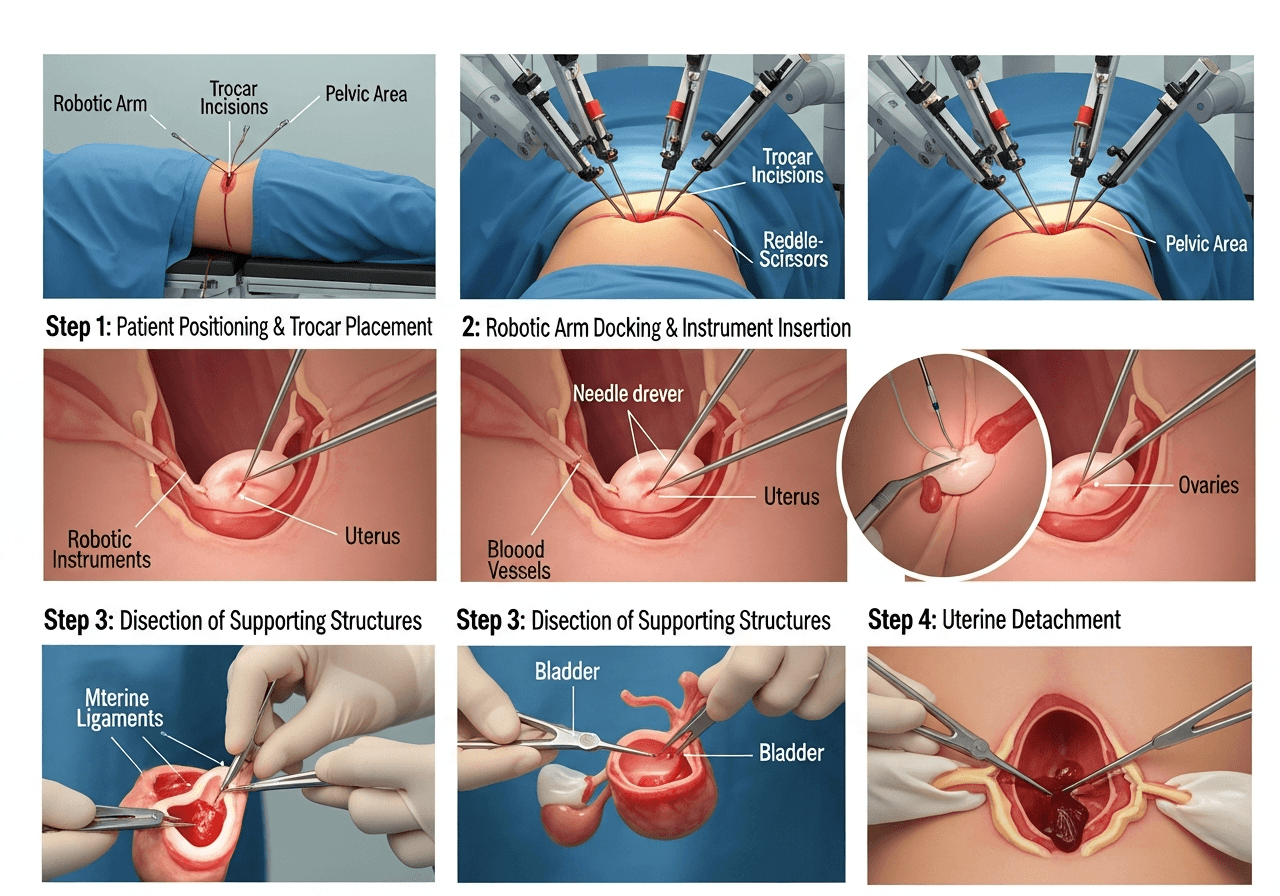
Robotic hysterectomy is an advanced, minimally invasive surgical technique used to remove the uterus with enhanced precision, safety, and faster recovery. Over the past decade, robotic-assisted gynecologic surgery has transformed women’s healthcare by offering better outcomes, reduced pain, and minimal scarring. For women considering treatment at centers offering the Best Robotic Gynaecologic Surgery in Delhi, understanding the procedure step by step can help reduce anxiety and support informed decision-making.
This guide explains how robotic hysterectomy works, who may need it, its benefits, and why choosing experienced specialists—often connected with leading IVF and fertility centers—matters for long-term reproductive and overall health.
What Is a Robotic Hysterectomy?
A robotic hysterectomy is a type of minimally invasive surgery where a gynecologic surgeon uses a robotic system to perform the procedure with extreme accuracy. The surgeon remains in full control, operating robotic arms through a console that provides a high-definition, 3D view of the surgical area.
Unlike traditional open surgery, robotic hysterectomy requires only a few small incisions, reducing trauma to surrounding tissues.
When Is Robotic Hysterectomy Recommended?
Robotic hysterectomy may be advised when conservative treatments are ineffective or unsuitable. Common medical indications include:
- Uterine fibroids causing pain or heavy bleeding
- Endometriosis
- Adenomyosis
- Abnormal uterine bleeding
- Pelvic organ prolapse
- Certain gynecologic cancers (case-dependent)
Patients undergoing fertility evaluation or IVF may also require surgical intervention for uterine conditions before proceeding with IVF treatment in Delhi, making coordination between gynecologic surgeons and fertility specialists essential.
Robotic Hysterectomy: Step-by-Step Procedure
1. Pre-Surgical Evaluation
Before surgery, the doctor conducts:
- Medical history review
- Pelvic examination
- Imaging tests (ultrasound or MRI)
- Blood tests and anesthesia assessment
Women consulting an experienced IVF doctor in Delhi are often guided with extra care to preserve hormonal balance and ovarian function when possible.
2. Anesthesia and Positioning
The surgery is performed under general anesthesia. The patient is positioned carefully to allow optimal access to pelvic organs.
3. Small Incisions
The surgeon makes 3–5 small incisions in the abdomen to insert robotic instruments and a camera.
4. Robotic-Assisted Surgery
Using the robotic console, the surgeon:
- Visualizes the uterus with a magnified 3D view
- Separates the uterus from surrounding tissues
- Protects nearby organs such as the bladder and intestines
This precision is a key reason patients prefer centers offering the Best Robotic Gynaecologic Surgery in Delhi.
5. Removal of the Uterus
Depending on the condition, the uterus may be removed vaginally or through small incisions.
6. Closure and Recovery
The incisions are closed with sutures or surgical glue. Most patients can walk within hours and are discharged within 24–48 hours.
Key Benefits of Robotic Hysterectomy
Robotic hysterectomy offers multiple patient-centered advantages:
- Minimal blood loss
- Reduced post-operative pain
- Faster recovery time
- Lower infection risk
- Smaller scars
- Greater surgical precision
For women balancing gynecologic treatment alongside fertility planning at a best fertility clinic in Delhi, faster recovery supports smoother continuation of care.
Recovery and Aftercare
Most patients resume light activities within a week and return to normal routines in 2–4 weeks. Doctors usually recommend:
- Avoiding heavy lifting temporarily
- Following prescribed medications
- Attending follow-up visits
Patients often report improved quality of life and relief from chronic symptoms.
Why Choose Professional Robotic Surgery Services in Delhi?
Choosing the right medical team is critical for safety and outcomes. Leading hospitals offering robotic hysterectomy typically provide:
- Board-certified gynecologic surgeons
- Advanced robotic technology
- Multidisciplinary coordination with IVF and fertility experts
- Ethical treatment planning and transparent counseling
Women receiving care alongside IVF treatment in Delhi benefit from integrated expertise that prioritizes both present health and future well-being.
Conclusion
Robotic hysterectomy represents a major advancement in women’s healthcare, offering precision, safety, and faster recovery for various gynecologic conditions. Understanding the procedure step by step empowers patients to make informed choices and approach treatment with confidence.
If you are considering robotic surgery or need coordinated care with fertility specialists, consulting experts at a center offering the Best Robotic Gynaecologic Surgery in Delhi can ensure ethical guidance, advanced treatment, and personalized care.
Frequently Asked Questions (FAQs)
Is robotic hysterectomy safe?
Yes, when performed by trained specialists, robotic hysterectomy is considered safe and effective, following established surgical guidelines.
How long does robotic hysterectomy surgery take?
The procedure typically lasts 1.5 to 3 hours, depending on complexity.
Will robotic hysterectomy affect fertility?
Yes, removal of the uterus ends the ability to carry a pregnancy. Fertility-preserving options should be discussed with an IVF doctor in Delhi before surgery.
Is robotic hysterectomy painful?
Patients usually experience significantly less pain compared to open surgery, with faster recovery.
How soon can I return to normal activities?
Most women resume daily activities within 2–4 weeks, depending on individual healing.
