

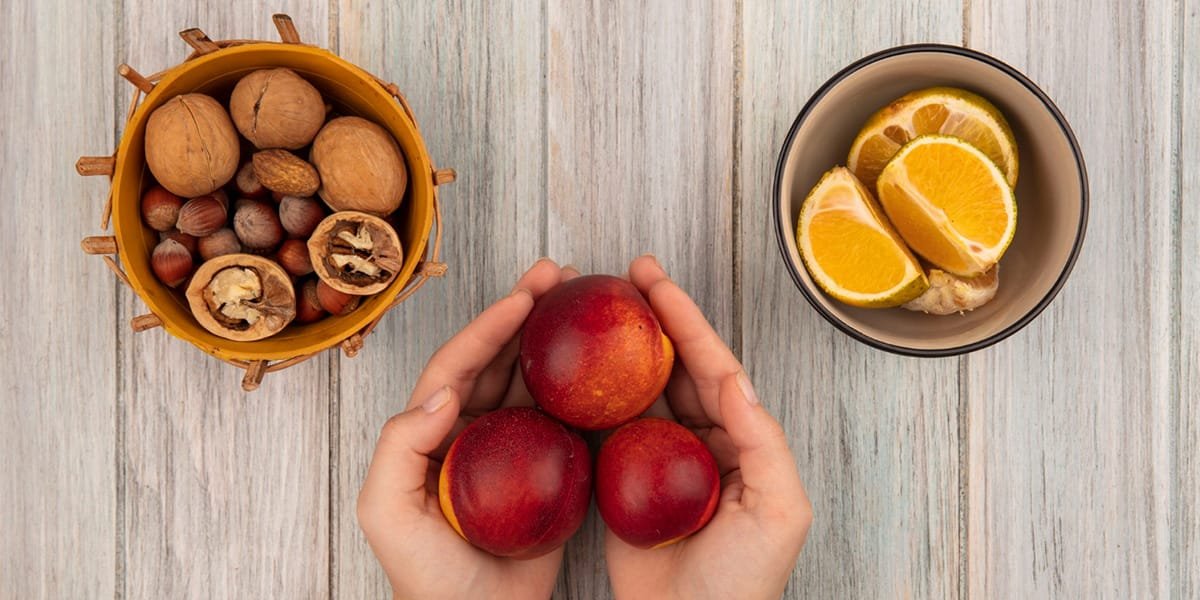
If you want to know how to improve your reproductive health, you’re not alone. Most men wonder about simple changes that can result in a significant difference in their fertility. One such key area is diet, especially the addition of certain fruits to increase sperm count.
Quick Summary: Key Fruits & Benefits
- Guava & Citrus: Provide high doses of Vitamin C to enhance motility.
- Watermelon & Tomatoes: Rich in lycopene to protect sperm morphology.
- Avocado: Packed with folate to maintain healthy sperm DNA.
- Bananas: Contain bromelain to help regulate reproductive hormones.
The Science Behind Diet and Male Reproductive Health
Sperm count refers to the number of sperm in your semen; their swimming capability is referred to as motility, and their shape is known as morphology. All these factors are contributing to male fertility. Going further, we’ll explore the science-backed fruits that will help. Remember, though diet is strong in itself, it is always good to discuss it with a medical expert, such as a fertility specialist in Delhi, to have personalized recommendations.
How Antioxidants Protect Sperm Concentration and Motility?
Eating a nutrient-rich diet, particularly fruits packed with antioxidants, vitamins, and minerals, can support better promote sperm production and health. Antioxidants fight off free radicals, or in other words, those pesky molecules that harm cells, including sperm. Research shows that high fruit and vegetable diets lead to higher sperm concentration and better motility. Think of it as you are providing tools to your body; it needs to produce stronger, more active swimmers.
Why Choosing Organic Fruits Matters for Semen Parameters?
Fruits are the easiest way to improve reproductive health. They are delicious, accessible, and filled with goodies such as vitamin C, folate, and lycopene. These nutrients help protect the sperm from oxidative stress, which can reduce count and quality.
- In addition, using organic fruits where possible avoids pesticides that may be detrimental to the semen parameters.
- If you’re aiming to enhance male fertility, these may have to be considered as a game-changer and may be added to your daily routine. An advanced semen analysis can help you understand your current parameters before making dietary changes.
Top 10 Fruits to Boost Your Sperm Count
Here are some fruits that standout by the studies linked to improved sperm health. Adding them to your daily diet for the best results. We’ll cover what makes each one special and how it ties into fertility.
Guava: The Vitamin C Powerhouse for Motility
Guava may not be the first fruit you pick, but it ought to be, provided you are keen on fruits to increase the number of your sperm. It is a tropical marvel that is full of vitamin C, more than an orange! Vitamin C becomes an antioxidant and protects the sperm against damage, and enhances sperm motility. A single guava can cover more than 200% of your daily vitamin C, the amount of which has been shown to increase sperm quality. Attempt to cut it into salads or have it raw.
Avocado: Essential Folate and Zinc for Testosterone
Avocados are tasty, rich, and very male-friendly. They contain plenty of folate (vitamin B9), which helps keep DNA healthy in sperm, and vitamin E in case of improved motility, and zinc to produce testosterone. A single avocado will provide approximately 41% folate and 28% vitamin E. Studies have found that an increase in folate in the body will be associated with an increase in the number of sperm. Understanding why folic acid is essential before and during pregnancy can help both partners optimize their nutrition. I put it on toast or in a smoothie; it is well-rounded and pro-fertil.
Watermelon: Lycopene For Protection
It is not only a summer fruit, but watermelon is rich in lycopene, a red substance that enhances the quality of the sperm. Lycopene keeps sperm healthy against oxidative stress, increasing motility rate and morphologies. One of the studies has found that males consuming lycopene supplements experienced improved sperm parameters, and watermelon is a natural source of lycopene. Consume it raw or in juices to boost male fertility.
Bananas: Bromelain Enzymes and Hormonal Balance
Bananas are simple foods that will increase sperm count, as it has vitamins A, B1, and C, which enhance the production of sperm. They also include bromelain, which is an enzyme that can control hormones and enhance count. Banana potassium contributes to the reproductive health of the body.
Pomegranates: Boosting Blood Flow and Sperm Production
Pomegranates have been traditionally associated with plenty, and their use in enhancing the production of sperm has been supported by science. They contain lots of antioxidants, which are good for boosting blood flow and testosterone levels. Take the juice or swallow it to boost fertility.
Role of Citrus Fruits in Increasing Sperm Count
- Oranges, Grapefruits & Lemons: Citrus fruits, such as oranges and grapefruits, are vitamin C stars, which help in the concentration and motility of the sperm. Extra protection is provided by pink grapefruits in the form of lycopene. Research associates increased vitamin C with decreased sperm DNA damage. To check the extent of DNA-level sperm damage, a DNA fragmentation index test can provide valuable insights. To achieve these, squeeze lemon into water, whole oranges, or eat oranges.
- Berries: Strawberries, blueberries and raspberries also contain antioxidant stem forces that protect sperm DNA against damage. They contain a lot of vitamin C and folate that enhance count and quality. You can have berries and yoghurt or smoothies, so they are readily taken into my diet to raise my fertility.
- Papaya: Papaya is rich in lycopene and vitamin C, which help in sperm motility and count. It is also enzyme-containing and helps in the process of digestion.
- Kiwi: Kiwi is a small fruit that may have great power because of vitamins C and E that safeguard sperm and enhance their quality. A kiwi fruit supplies your vitamin C daily, and thus it is an easy method of increasing the sperm count.
- Tomatoes: Whether a fruit or not, tomatoes are a source of lycopene that enhances the parameters of sperms. Cooked tomatoes have more lycopene and thus go ahead and have tomatoes in the form of a soup or a sauce.
Beyond Diet: Lifestyle Tips to Improve Sperm Quality
Although fruits to increase your sperm count are essential, they are a part of a greater scheme. Eat a Mediterranean-type diet (rich in fruits, vegetables, nuts, and whole grains) associated with an improvement in semen quality. If low sperm count is affecting your chances of conception, exploring ICSI treatment with a fertility specialist may be a suitable next step.
- Omega-3s are provided by nuts such as walnuts to aid motility.
- Consume water, moderate exercise, and avoid excessive body weight, which also reduces the number of sperm since it increases body mass index.
- Smoking and alcohol should be avoided and limited as these are harmful to fertility. If you are also preparing for an IVF cycle, following the right IVF dos and don’ts alongside dietary improvements can significantly strengthen your chances of success. In cases of severe sperm retrieval issues, procedures like PESA/TESE sperm retrieval may be considered under medical guidance.
Wrapping It Up: Take Action for Better Fertility
Eating these fruits to increase your sperm count is a natural, pleasant process of increasing the fertility of men. Vitamin C from guava and lycopene from watermelon are beneficial for the perinatal sperm in every bite. This and a balanced lifestyle would yield tangible results. However, just bear in mind that all bodies are different. In case you are anxious, prepare for your first visit with an infertility doctor and get professional advice tailored to your needs.
FAQs on Fruits to Increase Sperm Count
Which fruit is best for increasing sperm count?
Guava, watermelon, pomegranate, and citrus fruits are among the best fruits for increasing sperm count. Guava is exceptionally high in Vitamin C, which improves sperm motility and protects against oxidative damage. Watermelon and tomatoes are rich in lycopene, which supports healthy sperm morphology. Pomegranates boost testosterone levels and blood flow, both of which are critical for sperm production. For a personalized dietary plan, consult a fertility specialist in Delhi.
How long does it take for diet changes to improve sperm count?
Sperm takes approximately 74 days (about 3 months) to fully develop — a process called spermatogenesis. This means dietary improvements, including adding fertility-boosting fruits, typically take around 3 months to show measurable results in sperm count and quality. Consistency is key. An advanced semen analysis before and after dietary changes can help track your progress objectively.
Can eating fruits alone fix male infertility?
While a diet rich in fertility-boosting fruits can meaningfully support sperm health, it cannot address all causes of male infertility on its own. Conditions such as hormonal imbalances, varicocele, or genetic factors require medical evaluation and treatment. Diet works best as a complementary approach alongside professional care. If you are concerned about your fertility, learning more about male infertility treatment options is a recommended next step.
What vitamins in fruits are most important for sperm health?
The most important vitamins for sperm health found in fruits are Vitamin C (found in guava, citrus, and kiwi), which protects sperm from oxidative damage; Folate or Vitamin B9 (found in avocado and berries), which maintains healthy sperm DNA; Vitamin E (found in avocado), which improves motility; and Lycopene (found in watermelon, tomatoes, and papaya), which enhances sperm morphology and count. Understanding why folic acid is essential before and during pregnancy can help both partners make informed nutritional choices.
What is DNA fragmentation and how does diet affect it?
DNA fragmentation refers to breaks or damage in the genetic material within sperm cells, which can negatively impact fertilization and embryo development. Oxidative stress is one of the primary causes of sperm DNA fragmentation — and antioxidant-rich fruits like berries, citrus, and guava can help reduce this damage. If you are concerned about sperm DNA quality, a DNA fragmentation index test can provide a clear clinical picture.
Does low sperm count affect IVF success?
Yes, low sperm count can affect the chances of natural conception and certain fertility treatments. However, even men with very low sperm counts can father children through assisted reproductive techniques. ICSI (Intracytoplasmic Sperm Injection) is a highly effective IVF technique where a single healthy sperm is injected directly into the egg, making it an excellent option for severe male factor infertility. Before your IVF cycle, reviewing the essential IVF dos and don’ts guide can help both partners prepare effectively.
When should a man see a fertility doctor about sperm count?
A man should consider seeing a fertility doctor if a couple has been trying to conceive for 12 months (or 6 months if the female partner is over 35) without success, if there is a known history of reproductive health issues, or if a semen analysis has already indicated low sperm count, poor motility, or abnormal morphology. Our guide to preparing for your first visit with an infertility doctor can help you know what to expect and what questions to ask.
